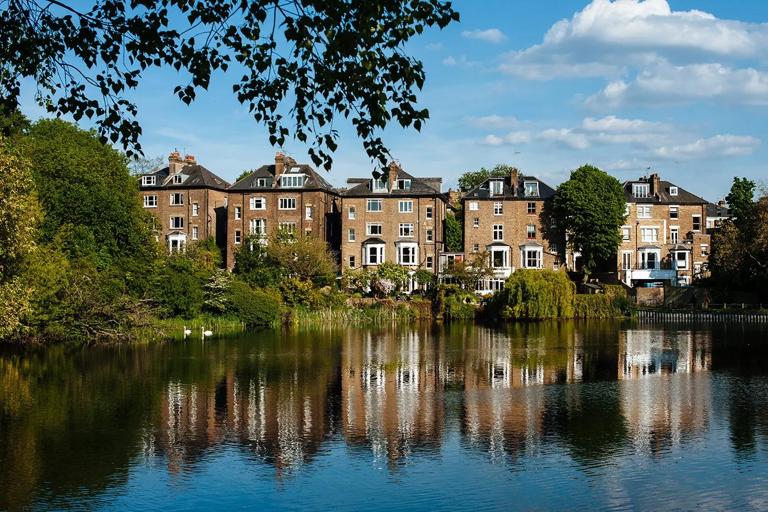
In a city known for its constant movement, London still holds a surprising number of quiet, restorative spaces that remain largely undiscovered by the wider public. These hidden corners offer a kind of stillness that contrasts sharply with the capital’s busy high streets and bustling transport hubs. For residents seeking a moment of calm between demanding work schedules, or visitors eager to experience a different side of the city, these lesser-known spots provide a valuable opportunity to slow down and take in London at a gentler pace.
Among the most cherished of these spaces are the smaller, tucked-away gardens scattered throughout central London. While places like Hyde Park and Regent’s Park attract heavy footfall, quieter enclaves such as Postman’s Park or the secluded corners of St. Dunstan in the East offer a different atmosphere. Here, visitors can sit among greenery, listen to birdsong threaded between church ruins, and enjoy a brief escape from the city’s relentless rhythm without travelling far from its core.
Riverside spots along lesser-used stretches of the Thames have also become favourite hideaways for those in search of a peaceful retreat. The areas around Rotherhithe and Barnes, for example, provide calm views over the water, where small footpaths wind past houseboats, wetlands, and historic walkways. These routes draw walkers who prefer gentle scenery and space to breathe, often finding that the quiet waterway serves as a welcome backdrop to reflect or decompress after a busy week.
For many Londoners, libraries serve as an often overlooked sanctuary. Beyond their primary role as community learning spaces, select branches such as the Westminster Reference Library or the smaller reading rooms around Bloomsbury offer serene settings ideal for study, reading, or remote work. The hushed environment, combined with tall shelves and warm lighting, provides a comforting sense of separation from the noise just outside the door.
Historic neighbourhoods contribute their own pockets of tranquillity, particularly those that have retained their older street layouts and traditional façades. Wandering through areas like Hampstead’s back lanes, Wapping’s riverside alleys, or the Georgian terraces of Clerkenwell reveals streets that feel suspended in time. These quieter routes allow pedestrians to experience London’s architectural charm without the pressures of traffic or crowds, creating a rare sense of spaciousness within the city.
Churchyards and cloistered courtyards also provide unexpected moments of peace. Places such as the Charterhouse courtyard or the grounds surrounding St. Bartholomew the Great offer sheltered nooks perfect for contemplation. Despite being located near major commercial districts, these sites retain a calm ambience shaped by centuries of history, making them ideal for those who appreciate cultural heritage combined with serenity.
Several small museums and cultural institutions have also become go-to destinations for Londoners seeking quieter experiences. Locations such as the Garden Museum or the Museum of the Home attract fewer visitors than major attractions, allowing guests to move through exhibits at a relaxed pace. This slower rhythm fosters a deeper connection with the displays and encourages thoughtful engagement with the stories being shared.
For those who enjoy exploring on foot, London’s network of mews streets offers an intimate look at some of the city’s most characterful architecture. Often tucked behind main roads, these narrow, cobbled lanes feel a world away from the traffic nearby. Many mews retain charming details—flower boxes, pastel-coloured doors, or traditional coach-house layouts—that give them a village-like quality at the heart of the capital.
These hidden corners not only support personal wellbeing but also reveal the depth and diversity of London’s urban landscape. They remind residents and visitors alike that the city is far more than its crowded stations or iconic landmarks. By seeking out these peaceful spaces, individuals gain a renewed perspective on London—one that acknowledges its energy while also appreciating the pockets of quiet that give the capital its distinctive balance and enduring appeal.