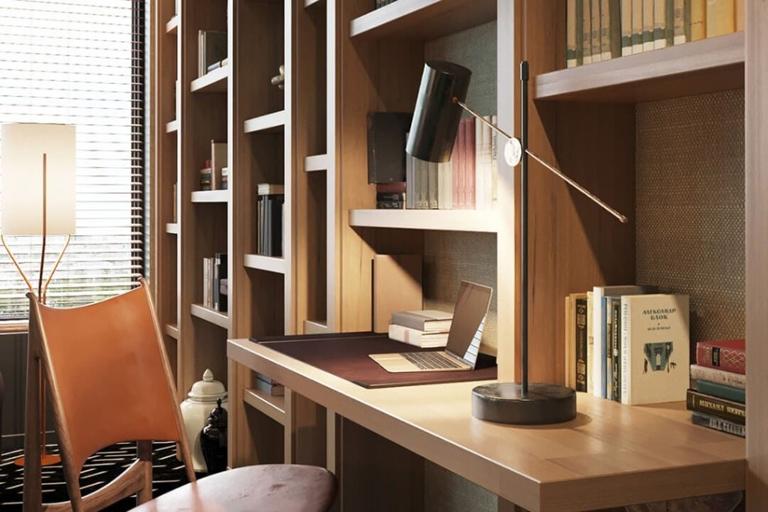
As remote work continues to shape the daily lives of Londoners, residential spaces across the city are undergoing rapid adjustments to better support productivity and comfort. Many flats, especially those in older buildings or smaller developments, were never designed with dedicated work areas in mind. As a result, tenants and homeowners are rethinking layouts, repurposing corners, and adopting creative solutions to transform limited square footage into practical home-office environments.
Interior designers report an increase in requests for multifunctional spaces that can adapt throughout the day. London flats are integrating furniture that folds, slides, or converts to accommodate different needs without overwhelming the room. Desks that disappear into wall units or dual-purpose dining tables are becoming common solutions, offering flexibility for residents balancing professional tasks with personal living space.
Lighting has emerged as a critical consideration in the shift to home-based work. With many London flats relying on modest natural light due to historic architecture or compact layouts, residents are turning to layered lighting systems. Adjustable LED lamps, soft ambient fixtures, and strategically placed mirrors help brighten work areas, improving productivity and reducing eye strain during long hours at a computer.
Soundproofing has also become increasingly important, particularly in densely populated neighbourhoods where noise from traffic, neighbours, and communal hallways can disrupt video calls or focused work. Some residents are installing acoustic panels, insulated curtains, or thick rugs to dampen sound. These changes not only enhance concentration but also provide a sense of privacy that many people previously relied on office environments to provide.
Storage solutions have evolved in response to the gradual blending of professional and personal items within the home. Compact shelving, under-bed organisers, and vertical storage units are helping residents maintain separation between work materials and everyday belongings. Designers emphasise that effective storage is crucial for mental clarity, allowing workers to transition smoothly between professional duties and rest.
Balcony and outdoor space usage has changed as well. Even small balconies or window ledges are being adapted into refreshing outdoor “micro-offices,” especially during warmer months. Residents find that stepping outside for brief periods, whether to take calls or read documents, brings variety to the day and reduces the monotony associated with working in confined indoor spaces.
Technology has naturally played a central role in reconfiguring London flats for remote work. High-speed broadband, mesh Wi-Fi systems, and ergonomic accessories such as laptop stands and external monitors are now considered essential rather than optional. Many landlords have begun upgrading existing infrastructure, recognising that reliable connectivity is a key factor for tenants choosing long-term accommodation.
The rising demand for home-office convenience has influenced the property market as well. Estate agents report that listings highlighting dedicated study nooks, adaptable living rooms, or built-in desks attract significantly more interest. Some developers are even incorporating coworking-style communal spaces within residential buildings, providing alternative environments for residents who occasionally need a change of scenery.
Greenery and biophilic design are increasingly popular among remote workers hoping to soften their surroundings and boost wellbeing. Plants such as peace lilies, ferns, and succulents are frequently added to home-office setups, offering aesthetic appeal and subtle improvements to indoor air quality. This trend reflects a broader shift toward creating workspaces that support both productivity and mental restoration.
As Londoners spend more time at home, maintaining healthy boundaries has become a key concern. Many workers now designate specific zones for professional tasks, which helps establish clear mental separation even in small flats. Visual cues, such as screens or modular partitions, allow individuals to “close off” the workspace at the end of the day, reducing the risk of burnout.
Landlords and building managers are adapting to these changes by offering features that were once considered luxuries. Enhanced sound insulation, improved communal internet infrastructure, and shared outdoor areas are becoming selling points. In some cases, rental agreements now even include provisions for minor interior modifications to support ergonomic workspaces.
Despite the challenges, many residents say working from home has prompted them to create living spaces that feel more personal, intentional, and aligned with their daily rhythms. The redesign process encourages individuals to identify what contributes positively to their wellbeing, whether that's natural light, comfortable seating, or organised storage. These incremental adjustments have a cumulative impact on overall satisfaction.
As remote and hybrid work continue to shape London’s professional culture, the transformation of urban flats is expected to accelerate. What began as a temporary adaptation is becoming a long-term shift, pushing both renters and property developers to reconsider how residential spaces function. With creativity and thoughtful design, even the smallest London flats can evolve into efficient, comfortable environments that support modern working life.