Across major UK cities, sustainable home upgrades are rapidly becoming a priority for urban residents seeking to reduce energy consumption, lower household costs, and create healthier living environments. Londoners in particular are increasingly aware of how older building stock and dense neighbourhood layouts can contribute to inefficiency. As a result, many are investing in modern insulation, energy-efficient appliances, and environmentally conscious materials. This trend reflects a broader cultural shift toward long-term thinking, with homeowners and tenants alike recognising that sustainability is not just a lifestyle choice but an economic and environmental necessity.
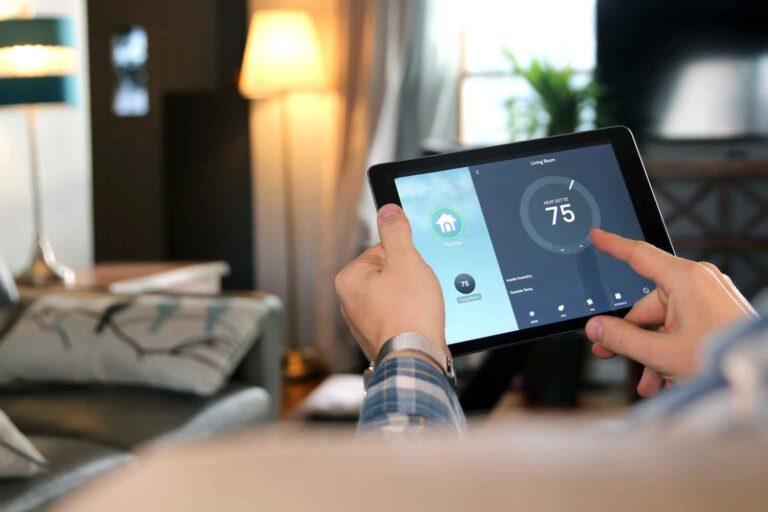
One of the most significant changes is the widespread adoption of energy-saving technologies, from smart thermostats to high-performance windows that retain heat more effectively during colder months. These upgrades help reduce reliance on artificial heating and cooling systems, which are among the largest contributors to household energy use. Residents have reported noticeable improvements in comfort and lower utility bills, reinforcing the practical benefits of sustainable home design. Government incentives and increased availability of eco-friendly products have also encouraged more households to take action.
Sustainable home improvements extend beyond energy efficiency to include environmentally conscious materials that minimise carbon footprints. Many renovators now prefer paints with low volatile organic compounds, recycled wood flooring, and ethically sourced fixtures that prioritise durability. As awareness of environmental impact grows, consumers are increasingly scrutinising the origins and lifecycle of the products they use. This shift has encouraged manufacturers to expand their ranges of sustainable building materials, making eco-conscious renovation more accessible to the mainstream market.
Indoor air quality has also become a central concern for residents pursuing sustainable upgrades. As people spend more time at home—partly due to hybrid work arrangements—air purification systems, ventilation improvements, and natural cleaning products are becoming essential features. These upgrades not only reduce pollutants and allergens but contribute to a healthier living environment overall. Many households have also incorporated more indoor plants, which can help regulate humidity and improve mental wellbeing.
Water efficiency is another priority for urban households, particularly in cities where infrastructure faces mounting strain. Eco-friendly toilets, low-flow showerheads, and smart water meters are being installed to monitor and reduce consumption. Gardeners and balcony growers are turning to rainwater collection systems and drought-resistant plants to maintain greenery without excessive water use. As urban populations grow, these practices are proving increasingly important for managing finite resources and building more resilient communities.
As sustainable home upgrades continue to gain momentum, experts anticipate that the trend will significantly shape the future of urban living. Estate agents are already noting increased buyer interest in homes equipped with eco-conscious features, suggesting that sustainability may soon become a standard expectation rather than an added benefit. For many residents, these upgrades represent an investment in both personal comfort and environmental responsibility, demonstrating how individual choices can collectively contribute to a more sustainable urban landscape.